Various authors
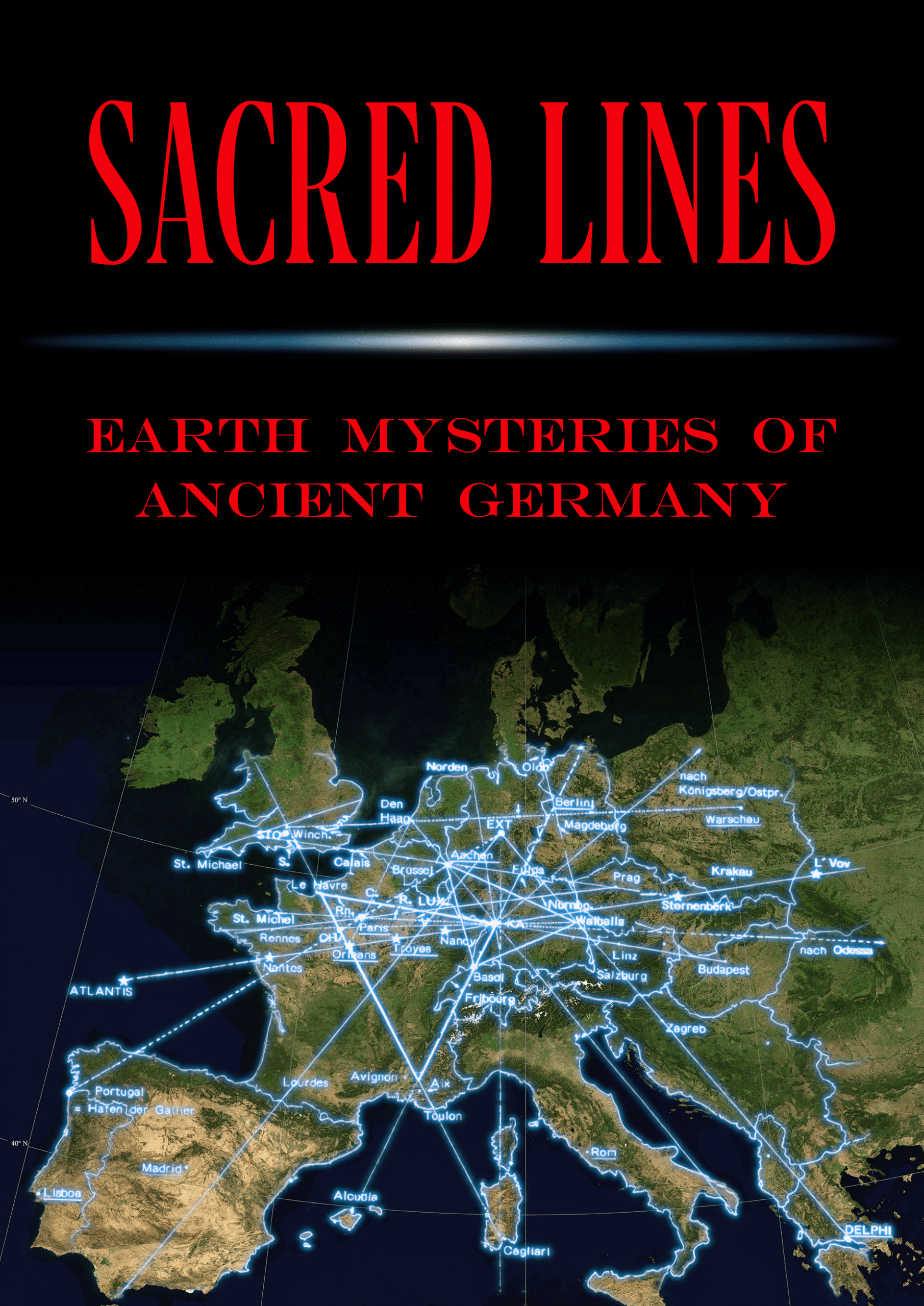
The existence of “ley lines” was first described in 1921 by the Englishman Alfred Watkins. In Germany, Wilhelm Teudt and Josef Heinsch had reached the same conclusions as Watkins regarding the position of ancient large-scale structures, referring to the mysterious alignments as “sacred lines.” Heinsch theorized that “the German landscape, in its primeval sacred spatial order, presents a vast, comprehensively unified hieroglyph.”
The study of geomantic and astronomical orientations among the ritual centers of pagan Germany was a topic of great interest for scholars working under the Ahnenerbe, which published research on ley lines, earth mysteries, and related subjects in the periodical Germania. The selection of articles presented in this volume is taken entirely from issues of Germania, with the exception of an essay by Heinsch written as an associate member of the Ahnenerbe.